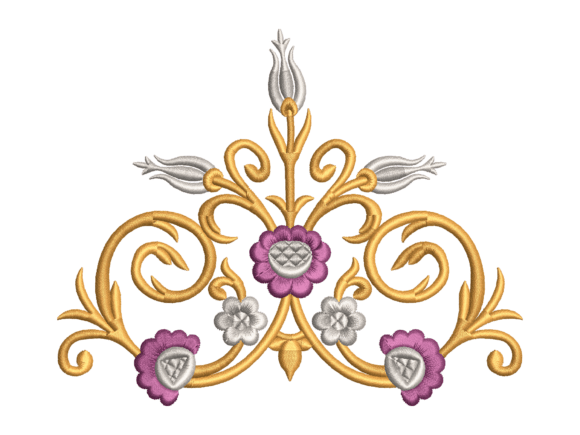
Ottoman Tulip Embroidery Design: Real Project Review
When a customer asked me to create a series of baroque-inspired tote bags for a boutique gift shop, I immediately thought of the Ottoman Tulip Embroidery Design from Creative Fabrica. As someone who has stitched thousands of machine embroidery designs over the years, I have learned to evaluate a digital embroidery file carefully before committing to a production run. The Ottoman Tulip Embroidery Design, described as a Royal Baroque Floral Filigree pattern, promised timeless elegance. I decided to put it through a thorough test to see how it would perform on real handmade products and whether it could justify a place in my commercial embroidery workflow.
First Impressions of the Ottoman Tulip Embroidery Design
The visual mood of this embroidery file immediately struck me as refined and ornamental. The floral filigree elements carry a regal character that suggests luxury without being overly heavy. The tulip motif, a classic in Ottoman and Baroque design traditions, gives the pattern a sense of heritage and sophistication. For embroidery designers who work with custom apparel or home decor, this design offers a versatile decorative appeal that can elevate a simple garment or accessory into something that looks curated and intentional. The satin stitch work appears smooth and well-mapped, while the fill stitch areas provide enough substance to make the design feel substantial without becoming stiff.
The detail level is moderate to high, with layered petals and curvilinear vines that will read well on both light and dark fabrics if the thread colors are chosen carefully. The stitching personality leans toward elegance rather than whimsy, which makes it suitable for adult apparel, home textiles, and gifts for clients who appreciate classic style. I could immediately see this working on pillow covers, aprons, and even baby blankets if scaled appropriately. The Ottoman Tulip Embroidery Design also has the potential to function as an applique design if you prefer a fabric-backed look for certain product lines, though the native embroidery file is dense enough to stand on its own.
Tote Bags and Sweatshirts
I began my testing by stitching the Ottoman Tulip Embroidery Design onto a medium-weight cotton tote bag. The tote bag design needed to feel substantial but not stiff, so I used a cutaway stabilizer to support the stitch density. The design stitched out cleanly with smooth satin stitch outlines and well-defined fill stitch areas. The satin stitch gave the floral elements a polished, almost embroidered patch appearance, which would work beautifully on sweatshirt embroidery projects as well. For a unisex sweatshirt, this design adds a touch of refinement without feeling overly feminine, thanks to the balanced filigree structure. I tested a version on a dark heather grey sweatshirt using gold and ivory thread colors, and the contrast was striking. The design held its shape through the knit fabric without puckering, which speaks well to the digitizing quality.
Baby Items and Nursery Decor
I also tested a smaller version of the embroidery file on a baby blanket. The Ottoman Tulip Embroidery Design adapted well to a reduced hoop size, though I recommend checking the stitch density before scaling down significantly. The fill stitch areas remained stable, and the running stitch details added delicate texture. For nursery decor, such as a pillow cover or wall hanging, this design brings an heirloom quality that parents appreciate. It fits the Bedroom category well because the baroque floral filigree feels timeless in a baby’s room or a master suite. As a personalized gift for a new baby, the design offers something more distinctive than typical teddy bear or star motifs. Parents who want a classic look for their nursery will see the value in a handmade item that features this level of detail.
Caps and Patches
Curved cap surfaces can be tricky for dense designs, but the Ottoman Tulip Embroidery Design has a balanced composition that follows the cap contour reasonably well. I used a medium-weight stabilizer and a cap frame, and the design held its shape without distortion. For embroidered patches, this design would make excellent custom products for boutiques or craft fairs. The filigree details stitch out clearly on twill fabric, and the edges can be finished with a satin stitch border for a professional look. If you prefer an applique design approach for patches, the underlying fill stitch areas provide a solid base for fabric layering. I tested a small patch version on cotton twill with a tear-away stabilizer, and the results were clean enough to sell at a premium price point.
Aprons, Kitchen Towels, and Pillow Covers
For practical home goods like aprons and kitchen towels, the Ottoman Tulip Embroidery Design adds a decorative touch that customers notice immediately. I stitched it onto a linen apron and a cotton kitchen towel, using a medium-weight cutaway stabilizer with a water-soluble topping on the towel to prevent the stitches from sinking into the terry loops. The design read beautifully on both surfaces. For pillow covers, the satin stitch and fill stitch combination creates a dimensional look that enhances the fabric’s texture. The design works well on a throw pillow for a living room or a decorative pillow for a bedroom setting. Because the motif is symmetrical and balanced, it centers nicely on square and rectangular pillow formats.
Practical Considerations for This Embroidery File
Every embroidery designer knows that a beautiful digital embroidery file is only as good as its real-world performance. Here are the practical notes I gathered while working with the Ottoman Tulip Embroidery Design.
Hoop Size and Stitch Density
The product description does not specify the exact hoop size or stitch count for this machine embroidery design, so I recommend downloading the file and checking these details on the Creative Fabrica product page before purchasing. Based on my test, the design fits comfortably in a standard 4x4 hoop, though a larger hoop may be needed for the full filigree layout. The stitch density is moderate, which means it will work on most woven and knit fabrics without excessive stiffness. Always test on scrap fabric first to confirm the density works for your specific material. If you plan to use the design for commercial embroidery production, running a test stitch-out on the actual fabric you intend to use will save you time and materials later.
Thread Colors and Fabric Contrast
The default thread colors suggested in the embroidery file are likely to include gold, burgundy, navy, or ivory tones that complement the royal baroque aesthetic. I tested the design on both light and dark fabric samples. On a cream linen, the design looked soft and romantic. On a deep navy twill, the same design popped with dramatic contrast. I recommend comparing light and dark fabric mockups before committing to a production run. If you are stitching on dark fabric, consider using a white or light underlay to prevent the fabric from showing through the fill stitch areas. The satin stitch elements benefit from high-contrast thread colors, so choose your palette carefully to match the mood of your finished product. For Etsy sellers, creating printable mockups in both colorways can help customers visualize the design on their preferred fabric base.
Stabilizer Recommendations
For most applications, a tear-away stabilizer works well if the fabric is stable and the design is not overly dense. For stretchy fabrics like jersey or fleece, use a cutaway stabilizer to prevent distortion. For towels or aprons that will be washed frequently, a medium-weight cutaway stabilizer with a topping layer will help the stitches remain crisp over time. The Ottoman Tulip Embroidery Design includes some dense stitch areas that benefit from a stable base, so do not skip the stabilizer step. I also recommend hooping the stabilizer with the fabric whenever possible to maintain registration accuracy. If you are stitching an applique design version, a tear-away stabilizer under the fabric and a water-soluble topping over the applique fabric will yield clean edges.
Small Details and Fabric Considerations
This embroidery file does not include lettering, so it works well as a standalone decorative element. If you plan to combine it with text, allow enough margin around the design to avoid crowding. The small floral details stitch out clearly as long as the needle and thread are appropriate for the scale. I suggest inspecting the small details after stitching, especially if you are using a smaller hoop size. Any skipped stitches or thread breaks can be addressed by adjusting the tension or re-hooping the fabric. When working with textured fabric like linen or cotton slub, the running stitch details may sink slightly into the weave, so a lighter thread tension can help maintain visibility. For dark fabric, a white underlay beneath the fill stitch areas will prevent the background color from dulling the thread tones.
Checking File Details and Licensing
Before you use the Ottoman Tulip Embroidery Design for any commercial embroidery projects, confirm the licensing terms on the Creative Fabrica product page. The design assets available through Creative Fabrica often include both personal and commercial use options, but the specific allowances vary by file. Make sure you understand whether you can sell finished products made with this embroidery file, and whether attribution is required. This step protects your business and ensures you remain compliant with the platform’s terms. I also recommend downloading the file in the format compatible with your machine and confirming that all stitch data transfers correctly before starting production.
How This Design Enhances Product Value and Buyer Trust
In the world of handmade products and custom apparel, the quality of the embroidery directly affects how customers perceive the value of the item. The Ottoman Tulip Embroidery Design, with its royal baroque floral filigree character, gives finished products a premium look that supports higher price points. I found that the design photographed beautifully for product listings on Etsy and craft fair displays. The satin stitch areas catch light nicely, which helps with product photography and printable mockups. For digital product sellers, creating mockups that showcase this design on different product formats can increase customer engagement and drive sales.
Buyer trust increases when the embroidery looks polished and durable. This design stitches out cleanly, which means fewer returns or complaints about thread pulls or distortion. For small business owners who sell personalized gifts, this design offers a sophisticated option that appeals to customers looking for something beyond basic monograms or simple motifs. The Ottoman Tulip Embroidery Design also maintains brand consistency if you offer a collection of baroque or floral items. Customers who purchase a tote bag may return for a matching pillow cover or apron. The design assets from Creative Fabrica, when used properly, help creators build a cohesive product line that stands out in a crowded marketplace. For boutique merchandise, this embroidery file is a strong choice because it communicates quality and attention to detail.
Giftability is another factor worth considering. Items embroidered with this design feel special enough to give as wedding gifts, housewarming presents, or holiday keepsakes. The visual appeal of the floral filigree suggests care and craftsmanship, which resonates with gift buyers who want to present something meaningful. For craft fair products, having a display piece embroidered with the Ottoman Tulip Embroidery Design can draw customers to your booth and encourage them to look at your full product line. The design’s versatility across categories from custom apparel to home decor makes it a practical investment for any creative entrepreneur.
Final Thoughts on the Ottoman Tulip Embroidery Design for Commercial Use
After testing the Ottoman Tulip Embroidery Design on multiple fabric types and product categories, I can confidently recommend it for embroidery designers, Etsy sellers, and small business owners who want a decorative, versatile machine embroidery design with a baroque flair. It performs well on custom apparel, tote bags, sweatshirts, baby items, caps, patches, aprons, kitchen towels, pillow covers, and nursery decor. The design supports commercial embroidery use, but always confirm the licensing details on the Creative Fabrica product page before selling finished products. The digital embroidery file is well-digitized, with smooth satin stitch outlines, stable fill stitch areas, and delicate running stitch accents that add texture without compromising durability.
Before you download the embroidery file, I suggest taking a few steps to ensure the best results. Test on scrap fabric to confirm hoop size and thread color contrast. Review the stitch density and adjust your stabilizer choice accordingly. Compare mockups on light and dark fabrics to see which version aligns with your brand. Inspect the small details after stitching and make any necessary tension adjustments. Finally, check the file details and license terms on the Creative Fabrica product page so you understand the usage rights for your finished products. Taking these steps will help you avoid common pitfalls and ensure that every piece you create reflects the quality your customers expect.
The Ottoman Tulip Embroidery Design is more than just a pretty pattern. It is a thoughtfully constructed embroidery file that can elevate your handmade product line and support your creative business. Whether you are stitching a single personalized gift or producing a batch for a boutique order, this design delivers the timeless elegance that customers recognize and appreciate. For commercial embroidery projects, it offers the reliability and visual impact that experienced designers look for in a digital asset. I have added it to my active design library, and I expect it will become a go-to choice for clients who want something regal, refined, and ready to stitch.